Quinn Krause · 2 September 2026
Marine biologists have begun a detailed tracking program to assess the recovery of sediments in Quartz Bay. This initiative comes after years of environmental concerns regarding sediment quality in the region. Researchers from several universities are collaborating on the project, which aims to document changes over the next five years. The study involves collecting samples from multiple sites across the bay. These samples are analyzed for heavy metals, organic pollutants, and biological activity levels. Early data suggests that natural processes are aiding in the breakdown of certain contaminants.
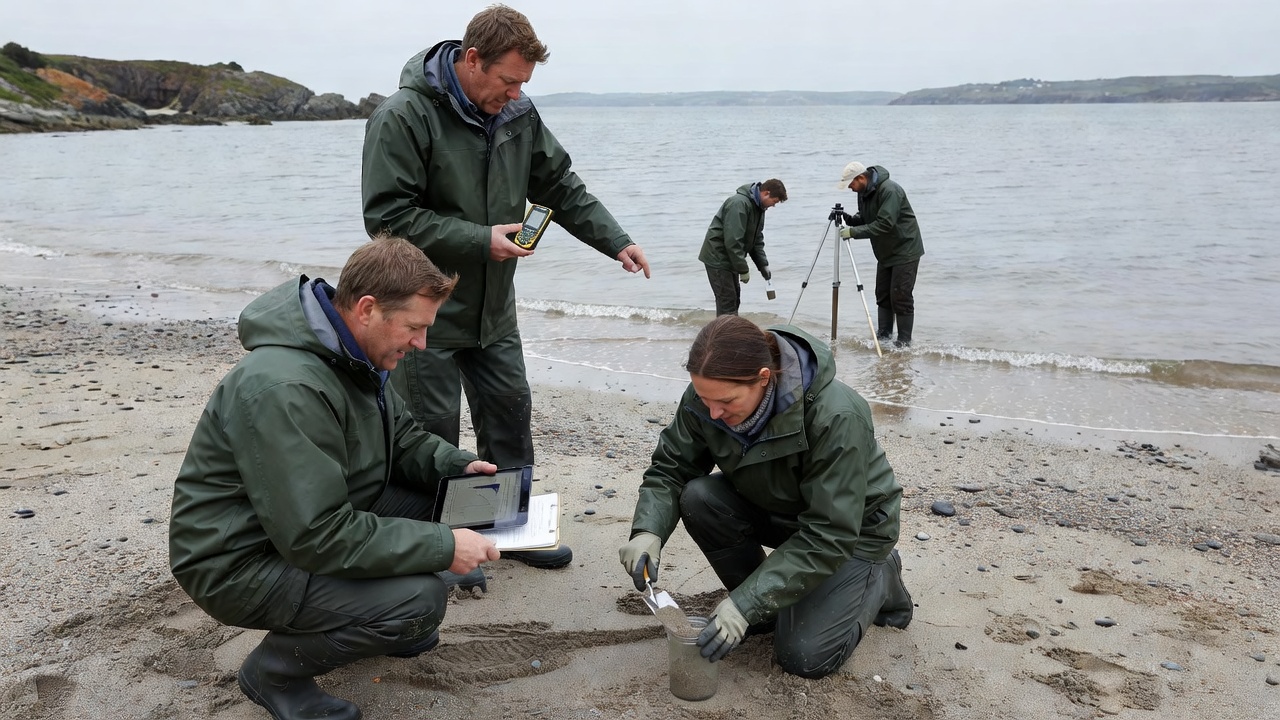
Teams use specialized equipment to extract core samples from the bay floor. Divers and remotely operated vehicles assist in gathering materials from depths up to 20 meters. Laboratory tests measure particle size distribution and chemical composition. Data is compared against historical records from the past decade. Analysis also includes tracking microbial communities that contribute to natural remediation processes. These microorganisms play a key role in breaking down organic matter within the sediments. Seasonal variations are also being recorded to understand how weather patterns influence sediment dynamics.
Sampling Techniques and Data Collection
Indicators of recovery include increased biodiversity in sediment-dwelling organisms and reduced toxin levels in tested areas. Some zones show a 30 percent improvement in sediment health compared to measurements from three years ago. However, certain hotspots remain problematic and require continued attention. The project leaders emphasize the importance of long-term monitoring to confirm these trends. Community involvement is encouraged through public reports and educational workshops. Funding for the study comes from federal grants and local environmental foundations. International collaboration is also part of the effort, with experts from Canada sharing their experiences from similar bay recovery projects.
Current Recovery Indicators and Future Outlook
Challenges include unpredictable storm events that can resuspend sediments and redistribute pollutants. Researchers are developing adaptive strategies to account for such disruptions. Additional research will explore the role of seagrass restoration in supporting sediment stability. Preliminary models predict full recovery in targeted areas within eight to ten years if current conditions persist. Public access to the data will be provided through an online database updated quarterly.